Daniel Rahl Jackson

Home › The Art of War

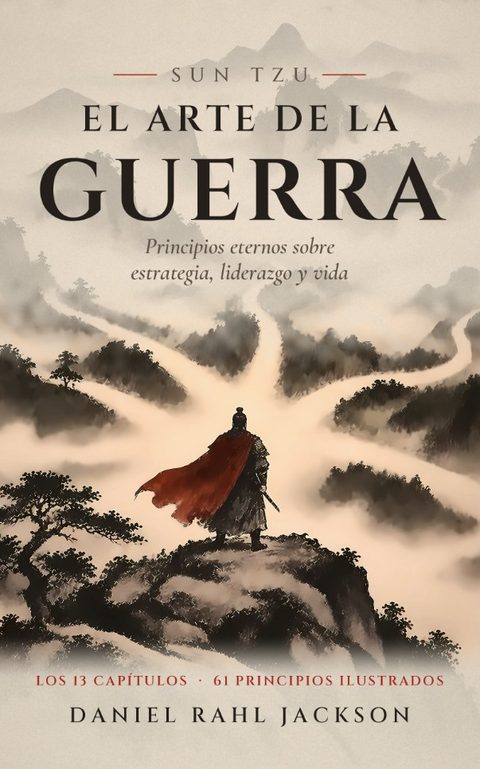
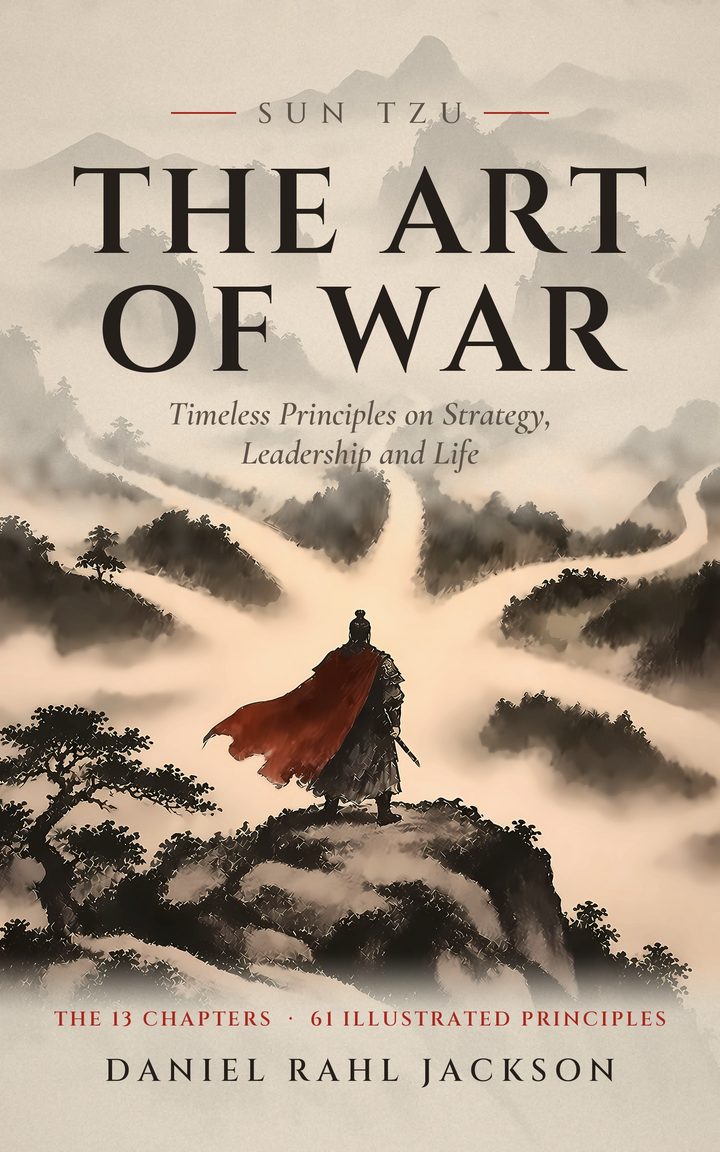
Cover of The Art of War by Sun Tzu, translated by Daniel Rahl Jackson
Book 1 · Chinese Strategy Classics

The Art of War

Timeless Principles on Strategy, Leadership and Life

孫子兵法 · The 13 chapters · 61 illustrated principles

The Sunzi bingfa (孫子兵法), attributed to the general Sun Wu, known as Sun Tzu, was written some 2,500 years ago and is still one of the most quoted books on strategy in the world. Its thirteen short chapters cover planning, cost, deception, terrain, morale and intelligence, and its lessons are read today in business, sport and politics as much as in war.

This edition gives the complete text in a new English translation, organised into 61 principles. Each has the original Chinese, an illustration and a short reflection on how to use it today. Below is a guide to each chapter.

English · Kindle, paperback and hardcover

A guide to Sun Tzu

The thirteen chapters

The traditional Chinese chapter titles, the chapter names used in this edition, and the core idea of each. Open a chapter for a summary, its key ideas and lines from the original Chinese.

  1. 1始計Shǐ jì
    Laying Plans

    Assess before you act: five factors and seven comparisons, weighed for both sides.

  2. 2作戰Zuò zhàn
    The Price of War

    Every day of conflict has a cost, paid at home as well as at the front.

  3. 3謀攻Móu gōng
    Winning Without Fighting

    The highest skill is to win without a battle at all.

  4. 4軍形Jūn xíng
    Positioning

    Make yourself unbeatable first; the opening to win comes from the other side.

  5. 5兵勢Bīng shì
    Momentum

    Organisation lets many people act as one.

  6. 6虛實Xū shí
    Weak Points and Strong

    Make the other side come to you, on your terms.

  7. 7軍爭Jūn zhēng
    Manoeuvre

    Turn the long way into the short way, and setbacks into advantage.

  8. 8九變Jiǔ biàn
    Adapting to Change

    Every rule has situations where it should be broken.

  9. 9行軍Xíng jūn
    The March

    Choose ground that gives you sight, light and water.

  10. 10地形Dì xíng
    Terrain

    Read the ground: each kind of terrain has its own right response.

  11. 11九地Jiǔ dì
    The Nine Grounds

    Identify which situation you are in; each needs a different response.

  12. 12火攻Huǒ gōng
    Attack by Fire

    Powerful tools need the right conditions and a plan for what follows.

  13. 13用間Yòng jiàn
    The Use of Spies

    Information is cheap compared with the cost of acting without it.

Next in the series: the 36 Stratagems, the moves themselves, and The Art of Command, on leadership.

Read the book

The Art of War, illustrated

The complete text in 61 principles, each with the original Chinese, a clear translation, an illustration and what it means today. Kindle, paperback and hardcover; also in German and Spanish.
Follow the author on Amazon and Amazon will let you know when a new book comes out.